 bootsgrid
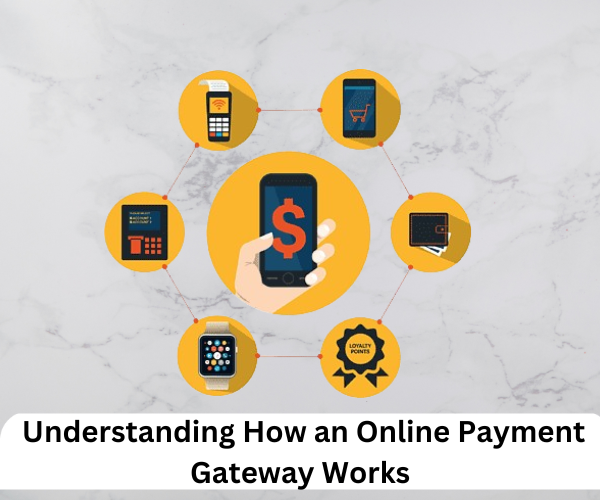
In the world of eCommerce, the ability to accept payments online is crucial for business success. An online payment gateway serves as the bridge between a customer’s bank and your business, facilitating secure transactions and ensuring that money moves smoothly from one account to another. In this blog, we will explore the intricacies of how an online payment gateway works, the benefits of integrating one into your business, and what to look for when choosing the best payment gateway for online payment.
What is an Online Payment Gateway?
An online payment gateway is a technology that authorizes credit card or direct payments for eCommerce websites and traditional brick-and-mortar stores. It plays a vital role in the transaction process, ensuring that sensitive payment information is securely transferred from the customer to the merchant.
Key Functions of an Online Payment Gateway
- Data Encryption: When a customer enters their payment details, the gateway encrypts this information, ensuring that it cannot be intercepted by unauthorized parties.
- Authorization Request: Once the data is encrypted, the payment gateway sends an authorization request to the bank that issued the customer’s card.
- Payment Processing: If the transaction is approved, the payment gateway processes the payment, moving funds from the customer’s account to the merchant’s account.
- Confirmation: After processing, the gateway sends a confirmation to the merchant and the customer, completing the transaction.
How Does an Online Payment Gateway Work?
To understand how an online payment gateway functions, let’s break down the transaction process into key stages:
1. Customer Initiates a Purchase
The process begins when a customer decides to make a purchase on your eCommerce site. They select the items they want and proceed to the checkout page, where they enter their payment information.
2. Payment Information Submission
Once the customer enters their credit card details and clicks “Submit,” the information is sent to the payment gateway. This information includes:
- Card number
- Expiration date
- CVV (Card Verification Value)
3. Encryption of Data
Before transmitting the payment information, the payment gateway encrypts the data using secure encryption protocols. This is crucial for protecting sensitive information from fraudsters.
4. Authorization Request
The online payment gateway then sends an authorization request to the customer’s bank. This request includes the encrypted payment details and the amount of the transaction.
5. Bank Processes the Request
The bank checks several factors during this stage:
- Is the card valid?
- Does the customer have enough funds or credit available?
- Are there any flags for suspicious activity?
Based on this evaluation, the bank will either approve or decline the transaction.
6. Response Sent to Gateway
Once the bank has processed the request, it sends a response back to the payment gateway indicating whether the transaction was approved or declined.
7. Confirmation of Transaction
If the transaction is approved, the online payment gateway will notify the merchant and the customer, providing a confirmation message. If declined, the customer may be prompted to try another payment method.
8. Funds Transferred
In the case of an approved transaction, the funds are transferred from the customer’s bank to the merchant’s account, usually through a magento ecommerce payment gateway or other systems, depending on the merchant’s setup.
Benefits of Using an Online Payment Gateway
Integrating an online payment gateway into your eCommerce platform offers numerous benefits:
1. Increased Sales
An efficient payment gateway streamlines the checkout process, reducing friction and cart abandonment rates. The easier it is for customers to pay, the more likely they are to complete their purchases.
2. Enhanced Security
With features like 3D secure integration, online payment gateways add an extra layer of protection against fraud. This ensures that both merchants and customers are safeguarded during transactions.
3. Flexibility
Most online payment gateways support various payment methods, including credit cards, debit cards, and digital wallets. This flexibility allows businesses to cater to a broader audience.
4. Automated Processes
Payment gateways automate many aspects of the payment process, such as invoicing and tracking transactions, which saves time and reduces the risk of errors.
5. Global Reach
With an online payment gateway, businesses can sell to customers worldwide, opening up new markets and revenue streams.
Choosing the Best Payment Gateway for Online Payment
Selecting the best payment gateway for online payment involves several considerations:
1. Transaction Fees
Different payment gateways have varying fee structures. It’s essential to evaluate transaction fees, monthly fees, and any hidden costs associated with the service.
2. Security Features
Ensure that the gateway offers robust security features, including encryption and 3D secure integration, to protect customer data.
3. Compatibility
Make sure the payment gateway is compatible with your eCommerce platform. For instance, if you are using Magento, consider looking into a Magento 2 payment gateway that seamlessly integrates with your store.
4. Customer Support
Reliable customer support is crucial, especially during transactions. Choose a payment gateway provider known for its responsive and helpful support team.
5. User Experience
A complicated checkout process can deter customers from completing their purchases. Look for a payment gateway that offers a smooth and user-friendly experience.
Popular Online Payment Gateways
When it comes to choosing an online payment gateway, several reputable options are available:
1. PayPal
Widely recognized and trusted, PayPal allows businesses to accept credit card payments and offers various features like invoicing and recurring billing.
2. Stripe
Stripe is known for its developer-friendly API, making it easy to integrate into websites. It supports multiple payment methods and currencies.
3. Authorize.Net
A veteran in the industry, Authorize.Net offers extensive security features and supports various payment options, including credit cards and eChecks.
4. Square
Square provides a range of tools for businesses, from payment processing to point-of-sale systems, making it a versatile choice for both online and offline transactions.
5. Pay4 Later
For businesses looking to offer customers flexible payment options, Pay4 Later allows consumers to split payments into manageable installments, enhancing customer satisfaction and potentially increasing sales.
Conclusion
An online payment gateway is a vital component of any successful eCommerce operation. Understanding how it works can help you appreciate its significance in securing and facilitating transactions. By choosing the right gateway, such as a magento ecommerce payment gateway, and incorporating essential features like 3D secure integration, you can create a seamless and secure shopping experience for your customers.
Investing time in understanding payment gateways not only enhances your knowledge but also equips you to make informed decisions that can significantly impact your business’s growth and customer satisfaction. Whether you are just starting or looking to upgrade your existing setup, the right payment gateway can make all the difference.