bootsgrid
When it comes to running a successful Magento store, one of the key elements to staying ahead in the competitive e-commerce market is leveraging the right extensions. Magento2 extension development has become an essential part of the e-commerce ecosystem, offering custom features and functionality that can elevate the user experience and streamline operations. Whether you’re adding custom features, enhancing performance, or integrating third-party services, Magento extensions are vital for your store’s growth and efficiency.
However, developing and implementing a Magento extension requires careful planning, technical expertise, and attention to detail. To ensure the success of your Magento2 extension development, there are several key considerations that every store owner should keep in mind.
- Define Clear Objectives and Requirements
The first step to a successful Magento Custom Extension Development project is to clearly define the objectives and requirements. Before you dive into development, it is essential to understand exactly what you need the extension to achieve. Are you looking to improve user experience, enhance store performance, integrate new payment gateways, or customize the backend for your team?
Creating a detailed list of requirements helps guide the development process and ensures that the final product aligns with your business goals. It also helps avoid unnecessary features that could complicate your project or inflate your budget. Whether you’re working with a developer or handling development in-house, having a clear vision from the start is crucial for success.
- Choose Between Custom Development or Ready-Made Extensions
Magento offers both custom extension development and ready-made solutions available through the Adobe Commerce Plugins marketplace. Depending on your needs, you might opt for a pre-built solution or choose to go the custom route.
Ready-made extensions can save time and cost, as they are typically well-tested and easy to implement. However, they may not offer the exact features or flexibility you require. For more complex needs, Magento Custom Extension Development can be the better option, providing the flexibility to tailor the solution specifically for your business.
Custom extensions can be designed to address specific business requirements, such as integrations with custom APIs, advanced reporting tools, or unique shipping methods. These custom Magento Module Development projects give you complete control over the functionality and design.
- Assess the Developer’s Expertise
When it comes to Magento extensions, working with experienced developers who understand the complexities of the platform is critical. If you decide to go the custom route, make sure to partner with a development team or agency that specializes in Magento2 Module Development. Magento is a complex system, and extensions that are poorly coded or inadequately optimized can lead to performance issues or security vulnerabilities.
A skilled Magento developer will have a deep understanding of the platform, including the latest features of Magento2 extension development, and will be able to deliver a seamless integration without compromising the performance of your store.
- Compatibility with Your Magento Version
Magento regularly releases updates and new versions of the platform, so it is important to ensure that any extension you develop or install is fully compatible with your current version of Magento. Magento2 extension development should always be done with the latest version of the platform in mind, and any Adobe Commerce Modules you choose to use must be compatible with your store’s version.
If you are upgrading your store or migrating to Magento 2, you’ll need to ensure that all your extensions are up-to-date and compatible with the new version. This will prevent conflicts and ensure your store continues to run smoothly without any issues after the update.
- Performance Optimization
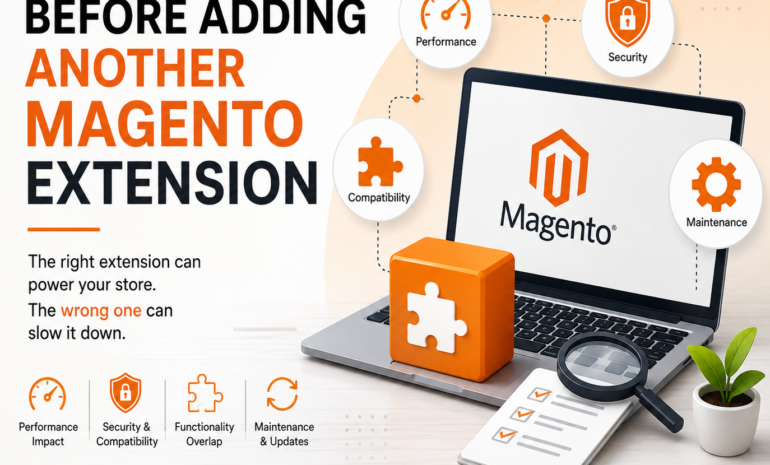
Extensions can add powerful features to your store, but poorly developed extensions can also slow down your site, leading to a poor customer experience. One of the top considerations in Magento2 Module Development is performance optimization. Extensions that are inefficient or not optimized for speed can negatively impact your store’s loading times, which can lead to higher bounce rates and reduced conversions.
A good development team will prioritize speed and optimization during the extension development process. This includes minimizing resource-heavy operations, caching where possible, and following best practices for clean, efficient code. Testing the extension for performance before launch is essential to ensuring that it doesn’t affect the user experience.
- Scalability and Future-Proofing
As your business grows, your Magento store will need to handle more traffic, a larger product catalog, and an expanding customer base. When developing custom extensions, scalability should be a major consideration. The Magento2 extension development process should include plans for future growth, ensuring that the extension can be easily updated or expanded as needed.
Scalable extensions can handle increased load without significant changes to the underlying code, saving you time and money down the road. This is especially important for businesses planning for long-term growth and seeking solutions that will not become obsolete as the store evolves.
- Focus on Security
Security is always a top priority in e-commerce, especially when dealing with sensitive customer data such as payment details and personal information. When developing a custom Magento extension, it is crucial to follow best practices for Magento Custom Extension Development to ensure that the extension doesn’t introduce security vulnerabilities.
Use secure coding practices, validate user inputs, and ensure that all data is properly encrypted. Additionally, choose a reputable developer or development team who has experience in creating secure extensions. Regular security updates and patches should also be part of the ongoing maintenance of the extension to prevent exploitation of any potential security flaws.
- User Experience and Interface Design
Even the most functional extension will fall short if it isn’t designed with the user in mind. Magento Module Development should focus on creating an intuitive, user-friendly interface for both your team and customers. Extensions should integrate seamlessly into your existing store, ensuring that the user experience remains consistent across the platform.
For example, if you are developing an extension for product filtering, it should be easy for customers to use and navigate. The interface should be clear, the interactions should be smooth, and the design should match the look and feel of the rest of the store. The easier it is for users to interact with the extension, the more likely they are to utilize its features.
- Testing and Quality Assurance
Quality assurance (QA) is a critical step in the Magento2 Module Development process. Even minor bugs can have a significant impact on user experience and store performance. Therefore, thorough testing of the extension is essential before it is deployed to a live environment.
Testing should cover functionality, performance, security, and usability. Automated testing tools can help identify issues early in the development process, while manual testing ensures that the extension functions correctly under real-world conditions.
- Ongoing Maintenance and Support
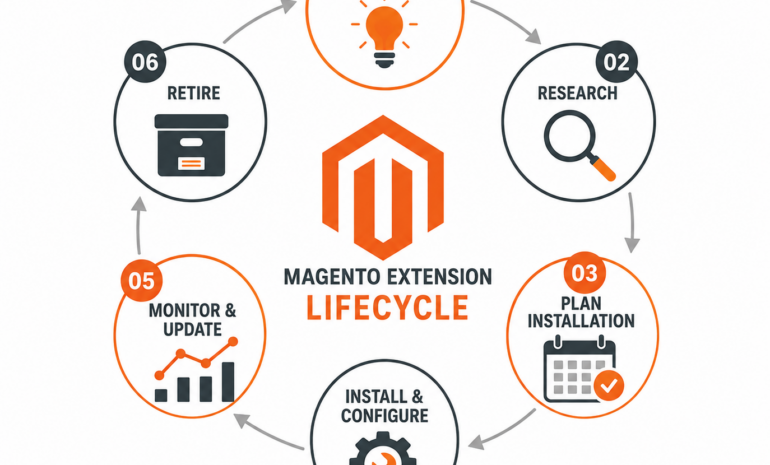
Once the extension is live, it’s crucial to have a plan in place for ongoing maintenance and support. Magento’s ecosystem is constantly evolving, with regular updates and security patches being released. Magento Custom Extension Development projects should include a maintenance plan to ensure that your extension remains compatible with future Magento versions, new features, and security updates.
Look for a development team that offers post-launch support and can assist with troubleshooting, updates, and improvements over time. A long-term partnership with your development team will ensure that your extension continues to function optimally as your store grows.
Conclusion
The success of any Magento2 Extension Development project depends on a variety of factors, from defining clear objectives and choosing the right development approach to ensuring performance, scalability, and security. By keeping these considerations in mind, Magento store owners can create extensions that not only meet their immediate needs but also contribute to the long-term success and growth of their business.
Whether you opt for Magento Module Development or Adobe Commerce Plugins, investing time and effort into the development process will pay off in the form of enhanced store functionality, improved user experiences, and greater operational efficiency. Remember to work with experienced developers, prioritize security, and continually optimize your extensions for the best results. With the right approach, Magento extensions can become a powerful tool for transforming your store into a market leader