 bootsgrid
As eCommerce continues to evolve, every online store owner faces the same challenge, how to stay future-ready while maintaining a seamless shopping experience. In this era of growing digital expectations, optimization is no longer optional. The real key to long-term success lies in building a store that adapts to changing customer needs, emerging technologies, and industry trends. This is where Magento Modules play a crucial role in shaping a scalable and reliable store environment.
Step 1 Building the Foundation for a Resilient Store
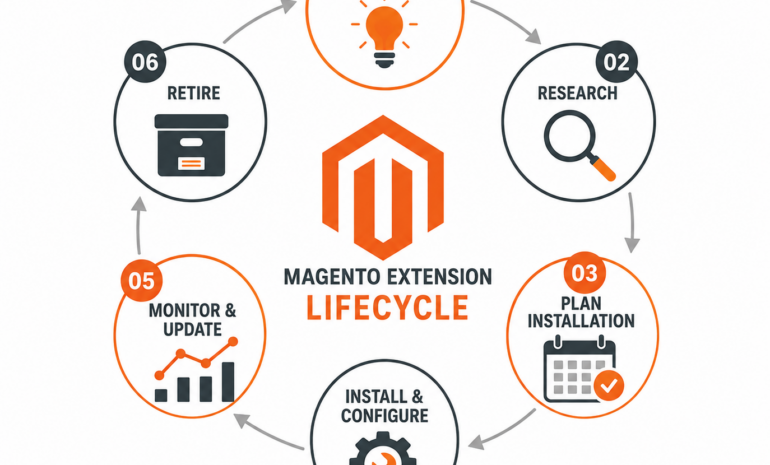
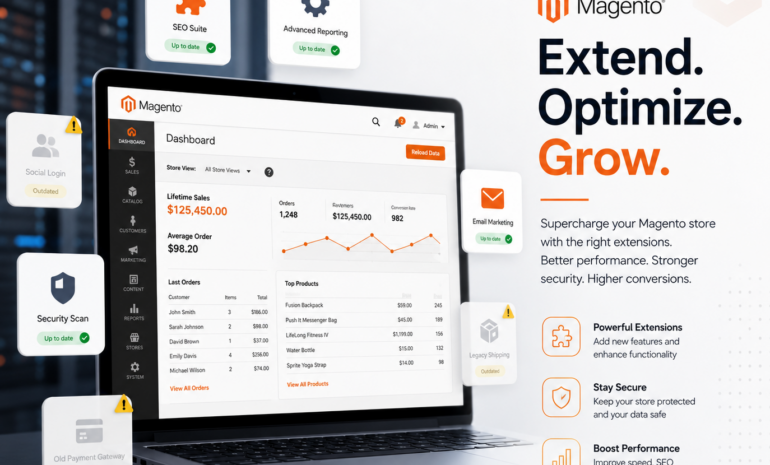
When it comes to adaptability, Magento Extensions form the backbone of every strong eCommerce architecture. These extensions expand your store’s capabilities, enabling features that improve user experience, performance, and operational control. Whether you want advanced checkout options, personalized promotions, or integration with external systems, optimized modules bring flexibility that sets your store apart.
A future proof store begins with a stable foundation. By focusing on performance optimized and regularly updated modules, merchants can safeguard their business against potential slowdowns, compatibility issues, and security threats. Selecting quality modules ensures your website continues to perform at its best even as Magento releases new updates and customers expect more personalized experiences.
Step 2 Why Optimization Is the Real Competitive Advantage
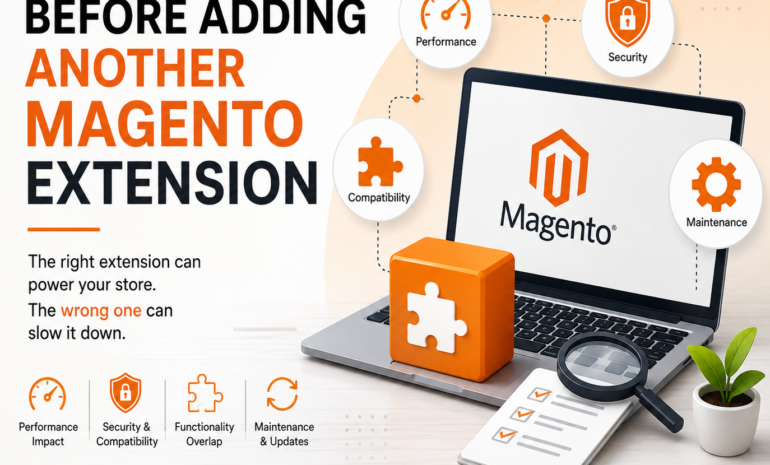
Many store owners assume that having more extensions automatically means better functionality. However, the reality is that performance matters more than quantity. Poorly coded modules can slow down the site, create conflicts, and increase maintenance costs. On the other hand, optimized modules streamline operations and improve site speed, both of which influence search rankings and customer satisfaction.
Optimization extends beyond speed alone. It also involves ensuring that the code structure, data management, and UI design of each extension align with your business goals. Working with a Magento Modules Company that follows best development practices helps ensure that every module you install performs efficiently and integrates seamlessly with others. This approach reduces technical debt and increases overall store performance.
Step 3 Building for Growth with Custom Magento Development
No two eCommerce businesses are the same. Every store has unique workflows, customer preferences, and integration requirements. That is why Custom Magento Development becomes essential for businesses aiming to stay ahead of competitors. With custom modules, you can tailor features to match specific needs, automate business processes, and create personalized customer journeys that boost engagement.
For example, if you operate in multiple countries, a custom shipping or tax management module can simplify international transactions. Likewise, a loyalty program or AI driven recommendation engine built specifically for your audience can significantly enhance retention and conversion. The flexibility of Magento allows you to design and deploy these unique solutions without affecting core functionality.
Custom development also plays a vital role in improving long-term scalability. As your product catalog and user base grow, your store architecture must be able to handle higher traffic without downtime. Well-optimized custom modules ensure that performance remains stable as your store evolves.
Step 4 Choosing the Right Magento Modules Company
Selecting the right development partner determines the success of your optimization strategy. A professional Magento Modules Company will not only deliver technically sound modules but will also provide ongoing support and updates. This ensures your store remains compatible with new versions and security patches.
Look for a company with expertise in backend optimization, API integration, and module customization. Their ability to perform code audits and identify performance bottlenecks can make a noticeable difference in store speed and stability. A reliable partner will also help you evaluate which modules to retain, replace, or consolidate for maximum efficiency.
Additionally, a forward-thinking company stays informed about emerging eCommerce trends like headless commerce, AI personalization, and Progressive Web Apps. Incorporating these technologies into your Magento environment prepares your store for future innovations while keeping operations smooth.
Step 5 Exploring the Magento Extension Marketplace
The Magento Extension Marketplace is filled with thousands of modules designed to meet diverse business needs. However, not all of them deliver equal value. Before installing an extension, it is essential to evaluate its reviews, version compatibility, and update frequency. Outdated or low-quality extensions can create conflicts that affect checkout functionality, security, or data accuracy.
When selecting modules, prioritize those that come from verified developers and follow Magento coding standards. This ensures compatibility with your current setup and reduces the risk of performance degradation. You can also explore extensions that support SEO optimization, analytics integration, and improved customer communication. These add-ons not only enhance usability but also contribute to better ranking and engagement.
An important consideration when browsing the marketplace is long-term maintenance. The most effective modules come with regular updates, transparent documentation, and responsive technical support. Investing in such solutions saves time and cost over the years and prevents unexpected downtime during platform upgrades.
Step 6 Smooth Transition with a Magento Migration Agency
Many store owners planning to upgrade from older versions of Magento or migrate from other platforms face technical challenges that affect performance and data integrity. Collaborating with a Magento Migration Agency simplifies this process by ensuring that all extensions, themes, and data are transferred smoothly without losing any functionality.
Migration experts also analyze existing modules and identify outdated or redundant ones. They recommend optimized replacements or restructured custom solutions that align with your new setup. This approach not only enhances speed but also helps in future proofing the architecture against potential conflicts.
A proper migration also provides an opportunity to revisit SEO structures, improve mobile responsiveness, and implement updated analytics tools. The transition becomes an upgrade in both performance and functionality rather than just a platform shift.
Step 7 The Role of Magento Custom Development in Innovation
Innovation in eCommerce depends on how efficiently you use technology to improve customer experience. Magento Custom Development gives your business the flexibility to experiment with new ideas, integrate modern tools, and stay adaptable. Whether it’s integrating AI powered chatbots, advanced analytics, or dynamic pricing models, customization opens the door for continuous improvement.
The true advantage of Magento lies in its open-source nature. This allows developers to design extensions that respond directly to market demands. As your business expands, these innovations become a critical part of your digital strategy, ensuring that your store evolves with customer expectations.
Step 8 Ensuring Security and Performance Longevity
Optimized modules are not just about speed and functionality—they also contribute to store security. Weak or outdated modules are common entry points for cyber threats. Therefore, implementing modules that adhere to the latest security guidelines protects both your data and customer information.
Regular audits and performance testing are essential. A well-maintained module ecosystem prevents errors, reduces page load time, and enhances stability during peak sales events. Continuous optimization ensures that your store operates efficiently even during high traffic periods such as festive sales or flash promotions.
Step 9 Preparing for the Future of Magento Commerce
The future of online retail will be driven by automation, personalization, and cross-channel integration. Magento continues to evolve in all these directions. To stay aligned with these changes, every store owner should focus on creating an environment that allows rapid adaptation. That means optimizing existing modules, adopting scalable solutions, and keeping the store architecture flexible.
Working with developers who understand these principles helps you plan upgrades efficiently. As artificial intelligence, voice search, and mobile commerce continue to shape buying behavior, optimized modules will be the driving force behind faster adaptation and improved conversions.
Step 10 The Long-Term Value of Optimization
Optimization is not a one-time activity but a long-term investment in your store’s growth. Every module you install has a role to play in performance, usability, and scalability. By partnering with the right Magento Modules Company and investing in Custom Magento Development, you position your store for continuous success in the evolving digital landscape.
Future proofing is about being prepared for change before it arrives. Optimized Magento modules allow you to adapt quickly, operate efficiently, and deliver the kind of shopping experience that keeps customers returning. The stores that thrive in the future will be the ones built with foresight, flexibility, and performance at their core.